
How you can manage menopause without HRT: a comprehensive guide
9 min. read
If you’re approaching, or already in, Menopause and want to navigate it without turning to hormone replacement therapy (HRT), you’re not alone. Many women either can’t or prefer not to use HRT, and there are many strategies you can adopt to improve your symptoms and quality of life.
What’s happening in menopause?
Menopause is the point when your menstrual periods have stopped for 12 months, but the transition begins earlier (peri-menopause) when hormone levels (especially oestrogen and progesterone) start to fluctuate and fall. The consequent changes can impact many areas of your health.
Some of the typical symptoms include:
Hot flashes (or “hot flushes”) and night sweats
Irregular periods, heavy or light bleeding
Vaginal dryness, painful intercourse
Sleep disturbances
Mood changes (irritability, low mood, anxiety)
Changes in skin, hair, weight, metabolism
Bone density loss and increased cardiovascular risk
The drop in oestrogen triggers many of these changes. While HRT aims to replace or supplement those hormones, it’s perfectly valid to explore non-hormonal options—especially if HRT isn’t right for you.
Why choose non-HRT options?
There are several reasons someone might prefer non-HRT approaches: medical contraindications (e.g., certain cancers, thrombosis risk), personal preference, desire to try lifestyle first, or wanting to minimise drugs and supplements. The good news: non-hormonal strategies can make a difference. For example, the Cleveland Clinic says that although non-hormonal treatments cannot “replace” oestrogen, they can mediate some of the neurologic changes that accompany oestrogen withdrawal.
However – it’s important to be realistic: non-HRT approaches may not fully eliminate all symptoms for everyone, and some symptoms may remain challenging. The key is to build a multi-layered plan.
"I've been taking fish oil supplements for about 15 yrs. and this is one of the best ones I've taken...no fishy taste or smell."
- R. Valdez
A roadmap: How to control menopause without HRT
Below is a multi-pronged plan. You can pick the pieces that feel realistic for you and tailor them.
1. Lifestyle as foundation
a. Diet & nutrition
Aim for a balanced diet rich in whole foods: vegetables, fruit, lean protein, healthy fats.
Include enough calcium and vitamin D to protect bone health (which declines after menopause).
Be mindful of “triggers” that can make symptoms worse: caffeine, alcohol, spicy food can all exacerbate hot flashes.
Some foods contain phytoestrogens (plant compounds with mild oestrogen-like activity) such as soy, flaxseed or legumes - but the evidence is mixed.
b. Physical activity
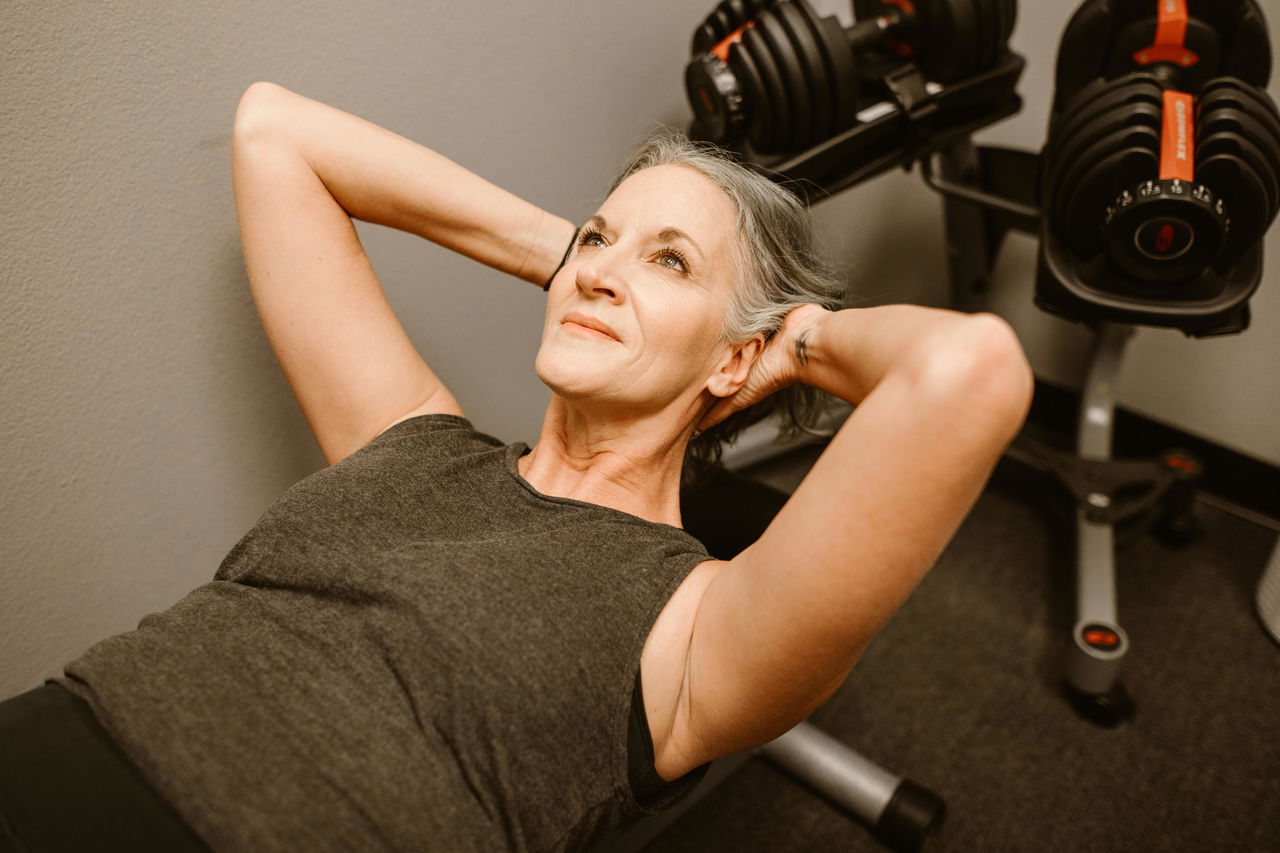
Regular exercise matters: aerobic, strength/resistance training, weight-bearing activity (for bones) and flexibility.
Exercise can help with bone health, reduce cardiovascular risk, support mood, help sleep and manage weight.
c. Sleep & environment
Good sleep hygiene is crucial: keep a cool, well-ventilated bedroom, regular sleep-wake schedule, minimise electronic distractions, wind down before bed.
If you have night sweats, consider layers you can easily remove, lighter bedding, fan or air conditioning.
d. Dress & triggers for hot flashes
Wear breathable, loose-fitting fabrics.
When a hot flash strikes: try a cool drink of water, a fan or cold pack to help bring your core temperature down faster.
Avoid known triggers like hot drinks or overly warm rooms if you’re sensitive.
e. Stress management & mental health
Stress increases adrenal output and may impact how your body responds to the hormonal shifts.
Mind-body practices such as meditation, breathing exercises, yoga, tai chi or even simple walks in nature can help regulate your nervous system.
2. Mind-body and psychological support
The brain and nervous system respond to hormone changes, so managing this part of menopause is key.
Cognitive behavioural therapy (CBT) and mindfulness-based stress reduction (MBSR) have shown promise in reducing hot flashes, mood symptoms and sleep issues.
Hypnotherapy and mindfulness are emerging evidence areas (though not strong).
Connection and community matter: sharing experiences with other women, normalising your feelings, can reduce the sense of isolation
3. Non-hormonal medical treatments
If lifestyle + mind-body measures are not enough, there are prescription medications and non-hormonal options worth discussing with your doctor:
Some antidepressants (SSRIs, SNRIs) like low-dose Paroxetine or Venlafaxine have been used to treat vasomotor symptoms (hot flashes, night sweats).
Other drugs: Gabapentin (a nerve medication) and Clonidine (blood-pressure drug) have been studied for hot flashes.
Importantly: These drugs don’t “replace” hormones — they manage the downstream effects of hormone change.
4. Herbal and botanical supports for menopause (non-HRT)
Botanicals that support vasomotor, hot flash & night-sweat symptoms
Black Cohosh (Cimicifuga/Actaea racemosa): One of the more commonly used herbs for hot flashes and night sweats. Some research shows moderate benefit.
Red Clover (Trifolium pratense): Contains isoflavones (plant compounds that can act somewhat like oestrogen). Some studies suggest a reduction in hot-flash frequency, though results are mixed.
Sage (Salvia officinalis): Often cited for night sweats and hot flushes, especially when sweating is prominent.
Botanicals that support mood, stress, sleep & cognitive clarity
Ashwagandha (Withania somnifera): An adaptogen herb, used for stress resilience, mood support and sleep. While not specific to menopause alone, its support for cortisol/stress pathways may help during the hormonal transition.
Saffron (Crocus sativus) extract: Emerging in mood and sleep research; may help with emotional symptoms or sleep disruption.
Turmeric (Curcuma longa) / Curcumin: Not strictly a “menopause herb” but anti-inflammatory and antioxidant properties may support overall bodily resilience during the transition.
Botanicals that support hormone metabolism & balancing (indirect support)
Chaste Tree (Vitex agnus-castus): Traditionally used for cyclical hormonal issues; some women use it during perimenopause for mood/irregular bleeding.
Shatavari (Asparagus racemosus): An Ayurvedic female-health herb, sometimes used for general uterine/ovarian support and hormonal transitions.
DIM (Diindolylmethane - derived from cruciferous vegetables, not strictly a herb but a phytochemical) / Indole-3-carbinol: Supports how the body metabolises oestrogen (shifting toward “less potent” forms) - helpful in a broader menopause support plan.
How to integrate these botanicals into your non-HRT menopause plan
Your can either start with one or two botanical supports focused on your most bothersome symptoms. For example, if hot flashes are your main issue, something like Black Cohosh or Sage may be a priority. Or you can find a menopause complex that has already combined all of these herbs for you, such as in Menopause Support.
At the same time continue your foundational lifestyle supports: diet, exercise (aerobic + resistance), sleep quality, stress management. The herbs are adjuncts not replacements.
Use high-quality, well-labelled products (if choosing supplements) from reputable manufacturers.
Monitor over ~8-12 weeks: Are symptoms reducing in frequency/intensity? Are you tolerating the herb without side-effects?
Re-evaluate after that period: perhaps adjust the herb, reduce or drop if no benefit, or shift to another botanical relevant to your symptom cluster.
Always check safety/contraindications: If you have hormone-sensitive conditions (e.g., breast cancer), liver issues, are taking certain medications (SSRIs, anticoagulants), consult your healthcare practitioner.
5. Bone, heart and long-term health
Even if you’re focusing on symptom control, it’s wise to keep tracking long-term risks associated with menopause.
Bone health: When oestrogen falls, bone density tends to decrease faster, increasing risk of osteoporosis. Regular weight-bearing exercise and ensuring adequate calcium & vitamin D are protective.
Cardiovascular health: After menopause, risk of heart disease increases. Maintaining healthy blood pressure, cholesterol, weight, not smoking and moving regularly all help.
Vaginal health: Vaginal dryness, pain, UTIs can become more common. Non-hormonal lubricants and moisturisers can help.
Mental & brain health: Sleep disruption, mood, “brain fog” can impact quality of life and productivity. Addressing sleep and stress is critical.
Putting it into practice: a sample 4-week “kick-start” plan
Here’s how you might roll out the above in a real-life way (feel free to adjust based on your life, time, health).
Week 1: Assess + Baseline
Note your main symptoms: hot flashes (frequency, triggers), night sweats, sleep quality, mood, vaginal/sexual changes.
Keep a “symptom journal”: triggers (caffeine, alcohol, spicy food, stress), sleep environment, exercise.
Make one small change: e.g., reduce alcohol by 50% this week, or switch one hot flash trigger food.
Set exercise goal: e.g., three 30-minute sessions (one walk, one strength-training, one flexibility).
Review your sleep environment: Is your bedroom cool, dark, electronics off … good?
Add one stress-management moment: e.g., 5 min mindfulness each morning or evening.
Week 2: Build routines
Continue with your journal; add noting for exercise plus mood after exercise.
Introduce strength training if you haven’t already (resistance bands or weights) at least twice this week.
Experiment with layers in clothing/bedding: lighter sheets, a fan, breathable fabrics.
Choose a phytochemical-rich food to include: e.g., tofu/edamame, flaxseeds, legumes, depending on your preference.
Initiate a relaxation practice: e.g., at bedtime 10 minutes of guided meditation or gentle yoga.
Week 3: Tackle specific symptoms
If hot flashes are frequent, review triggers: caffeine, spicy food, alcohol, heat. Try to reduce or eliminate for the week and note difference.
Sleep: implement a wind-down routine (no screens 30 min before bed, calm reading, warm bath, cool room).
Vaginal/sexual health: If dryness or discomfort present, trial a non-hormonal lubricant or moisturizer and note changes.
Bone health: Increase weight-bearing activity: e.g., stair-climbing, dancing, tennis, or a gym session with weights.
Check in: How is your mood and energy? If you’re noticing sustained low mood, brain fog or major sleep issues – consider scheduling time with a doctor to discuss whether non-hormonal meds (e.g., SSRI) may be helpful.
Week 4: Reflection + Adjust
Review your symptom journal: What changes have you seen? Hot flashes less? Sleep better? Mood improved?
What worked? What didn’t? Keep the routines that helped, drop or adjust what didn’t.
Decide whether you want to explore one additional supportive tool: e.g., try a trusted herbal supplement (after consulting doctor), join a menopause support group, or work with a physical trainer familiar with mid-life women’s health.
Set a 3-month plan: e.g., keep exercise 3-4 times/week, continue sleep routine, keep journal for one more month, review bone health via your GP or specialist (DEXA scan if indicated), continue to monitor mood/symptoms.
When to seek medical guidance
Even if you’re managing without HRT, it’s wise to keep close ties with your healthcare provider. You should especially seek help if:
Your symptoms are severely impacting daily life (work, relationships, sleep)
You experience heavy bleeding, irregular bleeding after menopause, or any abnormal bleeding
You have risk factors for osteoporosis, heart disease, or other conditions
You’re considering supplements/herbs and want to check interactions or safety
You’re thinking of prescription non-hormonal treatment (your doctor can guide)
What to keep in mind: Myths, reality & setting expectations
Myth: “Without HRT I will be miserable forever.” Reality: Many women do very well without HRT, though it may take more effort. For some, symptoms will be significant; for others milder or manageable with lifestyle.
“I am also **not a candidate for HRT and am thriving without it. Weight that I carried for years despite no change in activity or diet fell off… I am in the best shape since college…”
Myth: “If I don’t use HRT I’ll lose bone, my heart will fail, I’ll have no libido, no sleep.” Reality: Risks are real (bone, heart) but you have agency: exercise, diet, sleep and stress management significantly change risk profiles.
Expect trial & error: What works for one woman may not for another (hot flash triggers vary, mood responds differently, exercise preferences differ).
Patience: Some changes take weeks or months to show effect (e.g., exercise benefits on bone or mood).
Holistic approach works best: symptom relief + long-term health + mental/brain health + community/support all matter.
Specific symptom-by-symptom tips (non-HRT)
Hot flashes / night sweats:
Dress in layers, keep bedroom cool, use a fan.
Avoid triggers (caffeine, alcohol, spicy food).
Use loose, natural fabrics.
Try paced breathing or “cool down” techniques: drop your core temp (glass of cold water, cool washcloth).
Consider SSRIs/SNRIs or gabapentin if lifestyle alone is insufficient. (Discuss with doctor.)
Sleep problems:
Regular schedule, no screens 30 mins before bed.
Cool, dark, quiet bedroom.
Wind-down ritual: warm bath, herbal tea, meditation.
Exercise earlier in the day (late intense workouts may spike arousal).
Mindfulness or CBT for insomnia may help.
Mood changes / brain fog:
Regular exercise (which boosts endorphins and cognition).
Stress-reduction routines.
Good sleep + nutrition.
Connect socially (isolation worsens mood).
If depression/anxiety is significant, seek professional help (therapy, or possible medication).
Vaginal / sexual health:
Use water-based lubricants and vaginal moisturisers for dryness. nhs.uk
Regular sexual activity (or vaginal stimulation) helps maintain tissue health.
Pelvic floor exercises are useful too.
Talk with your GP about non-hormonal medications/devices if pain/presence of atrophy is significant.
Bone health:
Weight-bearing + resistance training.
Adequate calcium & vitamin D intake.
Limit alcohol, don’t smoke.
If high risk (early menopause, other risk factors) ask your doctor about bone density (DEXA) and whether non-hormonal bone-protective medications are needed.
Cardiovascular health / metabolism / weight:
Exercise (aerobic + resistance) helps with insulin sensitivity, fat distribution, heart health.
Healthy eating: avoid excess sugar, refined carbs, saturated fats.
Maintain healthy weight (menopause often shifts how and where you gain fat).
Monitor blood pressure, lipids, waist circumference regularly.
What about early menopause / surgical menopause?
If you’ve had early menopause (before age 40) or surgical removal of ovaries, the hormonal drop is more abrupt and the risks (bone, heart, cognitive) are higher. In those cases non-HRT alone may be more challenging and it’s especially important to work with a specialist. But the lifestyle and non-hormonal strategies still apply and become even more critical.
Final thoughts
Managing menopause without HRT is absolutely possible, but it requires a multi-layered approach, patience, and personalisation. By focusing on lifestyle (diet, exercise, sleep, stress), mind-body support, symptom-specific treatments, long-term health maintenance (bones, heart, cognition), and informed use of non-hormonal therapies, you give yourself the best chance of not just getting through menopause, but thriving through it.
Remember: you don’t have to do it all at once. Pick a few changes you can stick with, build on them week by week, track what’s working, and talk with your healthcare provider about whether you might need additional support.

Browse other supplements
Shop now
Frequently asked questions
No. Supplements can’t directly burn belly fat, but they can support hormones, metabolism, inflammation, and sleep—making your lifestyle efforts more effective.
Top options include omega-3s (inflammation), protein (muscle + metabolism), soluble fiber (appetite + gut health), adaptogens like ashwagandha (stress/cortisol), and metabolic aids like berberine or DIM. They work by supporting the underlying cause, not by melting fat.
Most women see changes in 8–12 weeks when combining supplements with consistent diet, exercise, and sleep habits.
Generally yes, if you choose high-quality products. Check with your doctor if you have hormone-related conditions, thyroid issues, or take medications.